
A big step for the energy transition
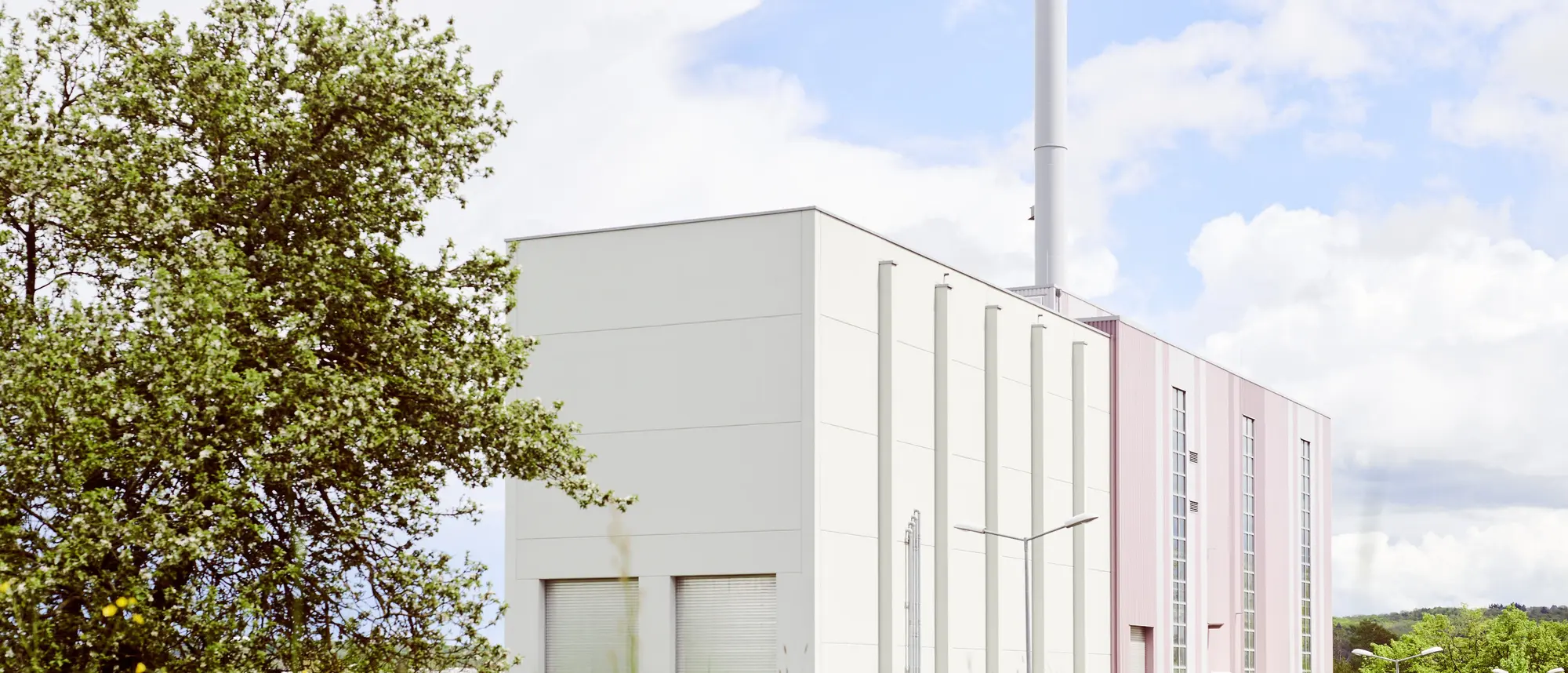
Since 2010, the first thermal waste treatment and energy utilisation plant, TREA I for short, has been producing heating energy for Giessen's heating network from processed waste. The plant has played a key role in making our city one of the pioneers in terms of climate-friendly energy supply. We are building on this success with TREA II. The first part of the power plant went into operation in December 2016 - after a construction period of just 16 months. TREA II was officially inaugurated in April 2019.

All-round clean energy
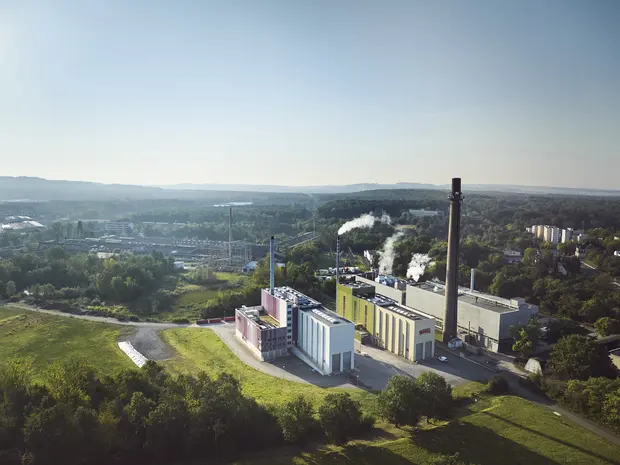
With TREA II, we are increasing our in-house generation ofCO2-neutral electricity to 180,000 megawatt hours per year. In addition, TREA II will cover up to 9% of the annual requirements of Giessen's district heating customers in future. This will have a positive impact on the already excellent environmental balance of our district heating.
At the same time, TREA II fulfils all current environmental protection requirements - and more than meets them. The solid combustion residues are free of toxins and can be used in road construction. As in TREA I, sophisticated flue gas cleaning technology ensures that no hazardous pollutants are released into the environment via the chimney. On the contrary, it saves the environment 25,000 tonnes of climate-damaging carbon dioxide every year and the fuel - processed waste - comes from the region.

Fuel
The fuel for TREA I and TREA II is supplied by fuel treatment plants from the Central Hesse region, which process energy-rich waste from commercial, trade and industrial operations. Among other things, odour-emitting substances are reduced in the process.
This processed fuel consists of up to 50 % biogenic materials such as wood, cardboard, paper and cellulose and has a high calorific value of 11.0 to 14.5 MJ/kg. This means that a lot of energy can be recovered during combustion and made available in the form of heat.
Generation of vapour
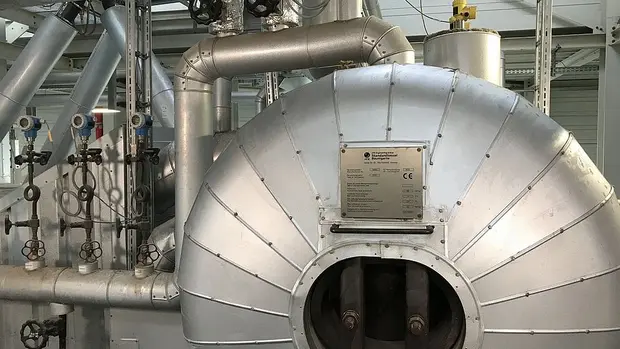
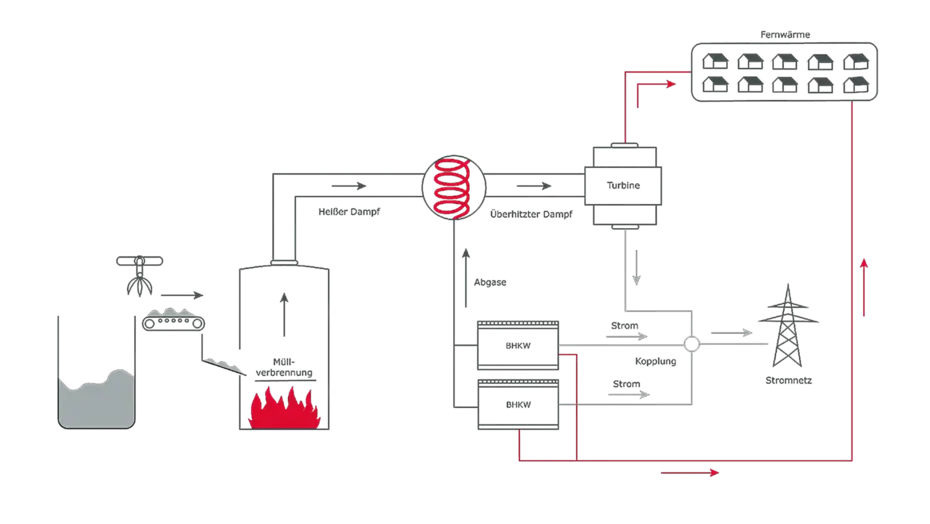
In principle, as in the boiler system of a house heating system, the boiler system of the TREA II heats water in a heating circuit by firing a fuel. The difference is that the TREA II first generates steam, which drives a turbine to generate electricity. The steam then releases its energy to the district heating network.
In the TREA II boiler, the flue gases transfer their heat to the boiler water, which then vaporises. In the process, they cool themselves down. The vapour temperature in the steam drum is approx. 250 °C.
Flue gas cleaning
- Dry absorption:
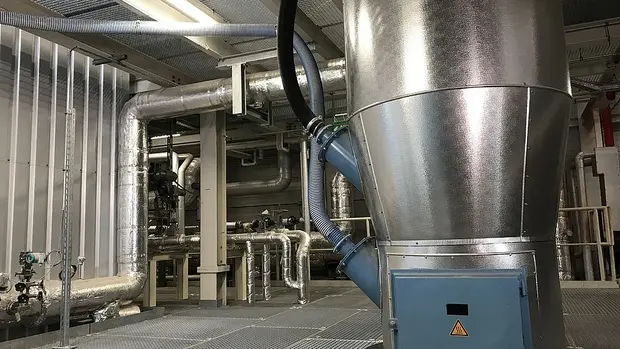
In order to bind pollutants contained in the flue gas, sodium hydrogen carbonate (known as baking powder in domestic use), hydrated lime and activated carbon are blown into the flue gas flow. The pollutants bind to this. - Fabric filter:
In addition to the fly ash, the bound pollutants are also separated on the filter bags of a fabric filter. These materials are transported to the residue silo for interim storage and loaded into silo lorries for recycling or disposal.
CHP of TREA II
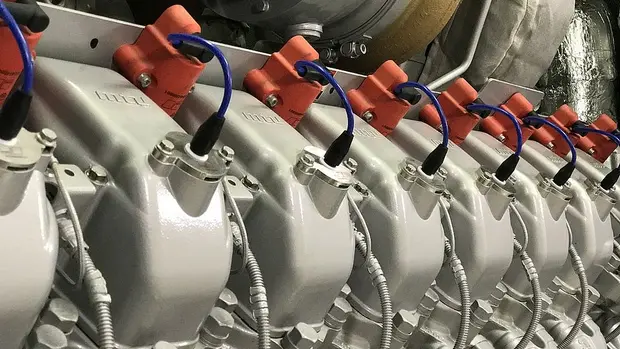
Particularly high temperatures are required to produce electricity using a generator. In TREA II, two natural gas cogeneration units are used for this purpose. In the gas engine, the chemically bound energy contained in the natural gas is converted into mechanical and electrical energy.
The thermal energy generated in the gas engine is utilised in two different ways:
- The engine cooling water heat is transferred directly to the district heating network by means of plate heat exchangers.
- The thermal energy present in the exhaust gas is first utilised in the external superheater to superheat saturated steam. Thermal energy is then extracted from the exhaust gas in another heat exchanger, which in turn is fed into the district heating network. The steam is superheated from approx. 250°C to approx. 400°C and passed on to the steam turbine set.
Steam turbo set
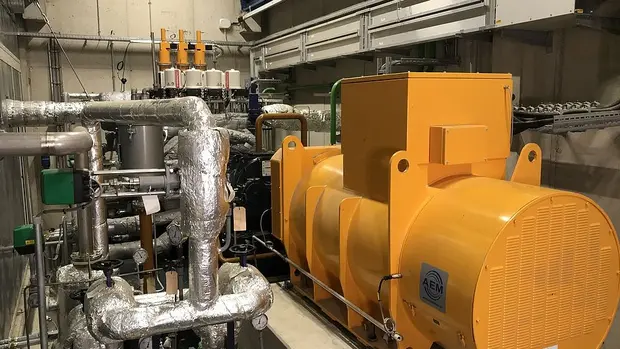
The superheated steam emerging from the external superheater is fed to a steam turbine unit (steam turbine), which operates in backpressure mode. This allows both electrical energy (electricity) and thermal energy (useful heat) to be extracted.
The exhaust steam leaving the turbo unit is fed to a heating condenser, which extracts the thermal energy still present in the exhaust steam in the form of district heating. Thermal energy is extracted from the steam so that it condenses and the resulting condensate can be fed back into the steam boiler system.